Expert perspectives on semiconductor technology, automotive electronics, and the future of robotics

Every breakthrough in robotics ultimately runs up against the same constraint: power. The efficiency with which battery energy reaches every motor, sensor, and processor is determined by the power management IC — an often-overlooked subsystem that can make the difference between 90 minutes and four hours of runtime.
As robots move beyond fixed industrial settings into dynamic, battery-dependent environments, integrated PMIC solutions are becoming essential for extending operational life, simplifying thermal design, and reducing system complexity.
Read Article →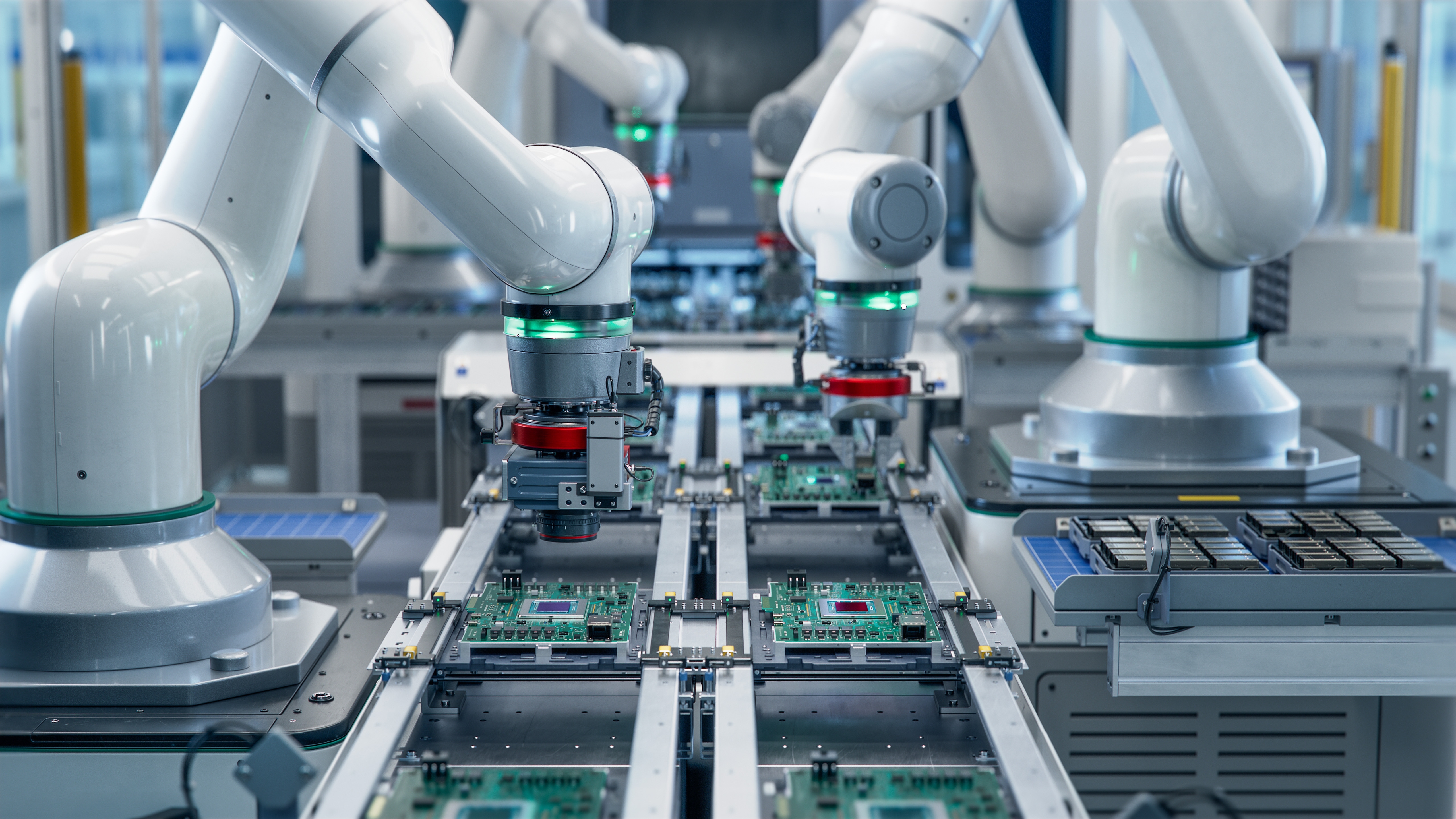
The robotics industry stands at a pivotal moment. As robots move from controlled factory environments into homes, hospitals, and public spaces, the demands on their motor control systems have intensified dramatically. Every joint, wheel, and axis requires precise, responsive motor control — and the traditional approach of assembling discrete components on a PCB is rapidly reaching its limits.
The shift toward integrated motor control MCUs represents a fundamental rethinking of how we design motion systems for robots. By consolidating the processor, gate drivers, power management, sensing, and communication interfaces into a single chip, integrated solutions are enabling a new generation of smaller, lighter, and more capable robotic systems.
Read Article →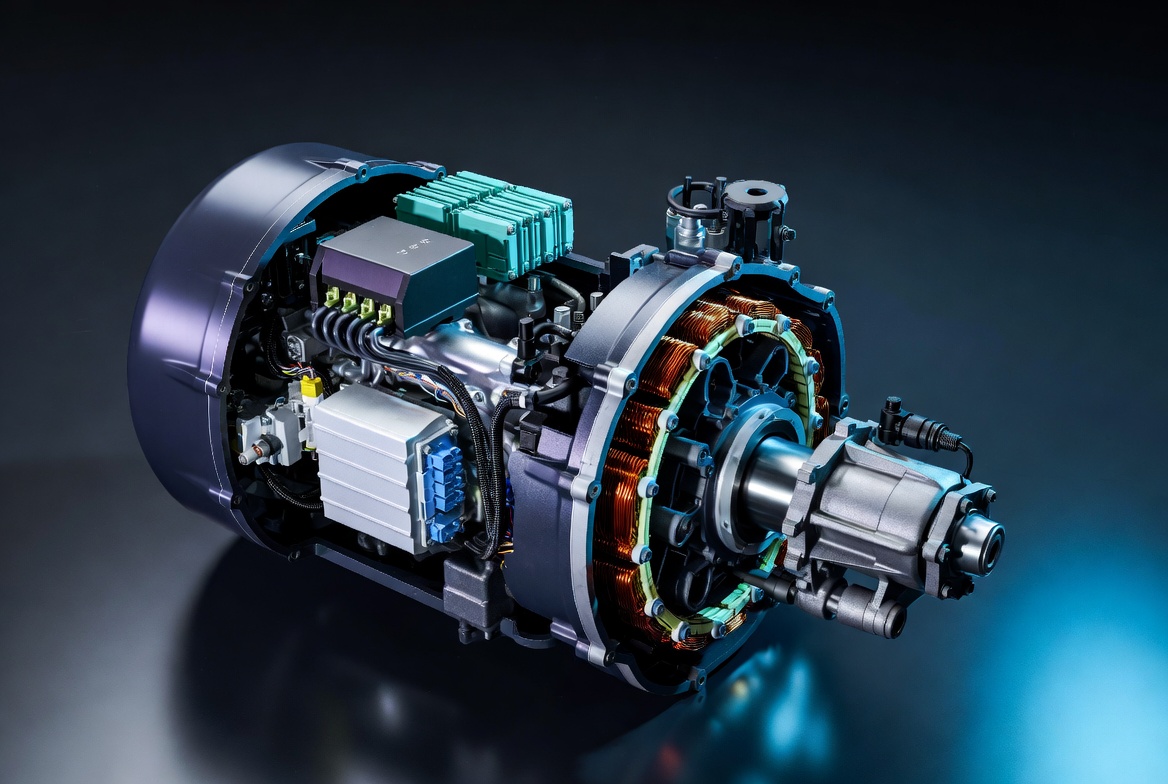
The electric vehicle industry is at an inflection point. As automakers push for longer range, faster charging, and higher efficiency, the underlying power architecture of EVs is undergoing a fundamental transformation. The voltage levels coursing through modern EV powertrains are escalating rapidly, redefining every component in the power electronics chain — especially the gate drivers that control high-power semiconductor switching.
For decades, 400V was the standard battery voltage for electric vehicles. Then came the 800V revolution, pioneered by premium automakers seeking to unlock ultra-fast charging and reduce cable weight. Now, the industry trajectory points clearly toward 1200V and beyond, driven by commercial vehicles, heavy-duty trucks, and next-generation passenger EVs.
Read Article →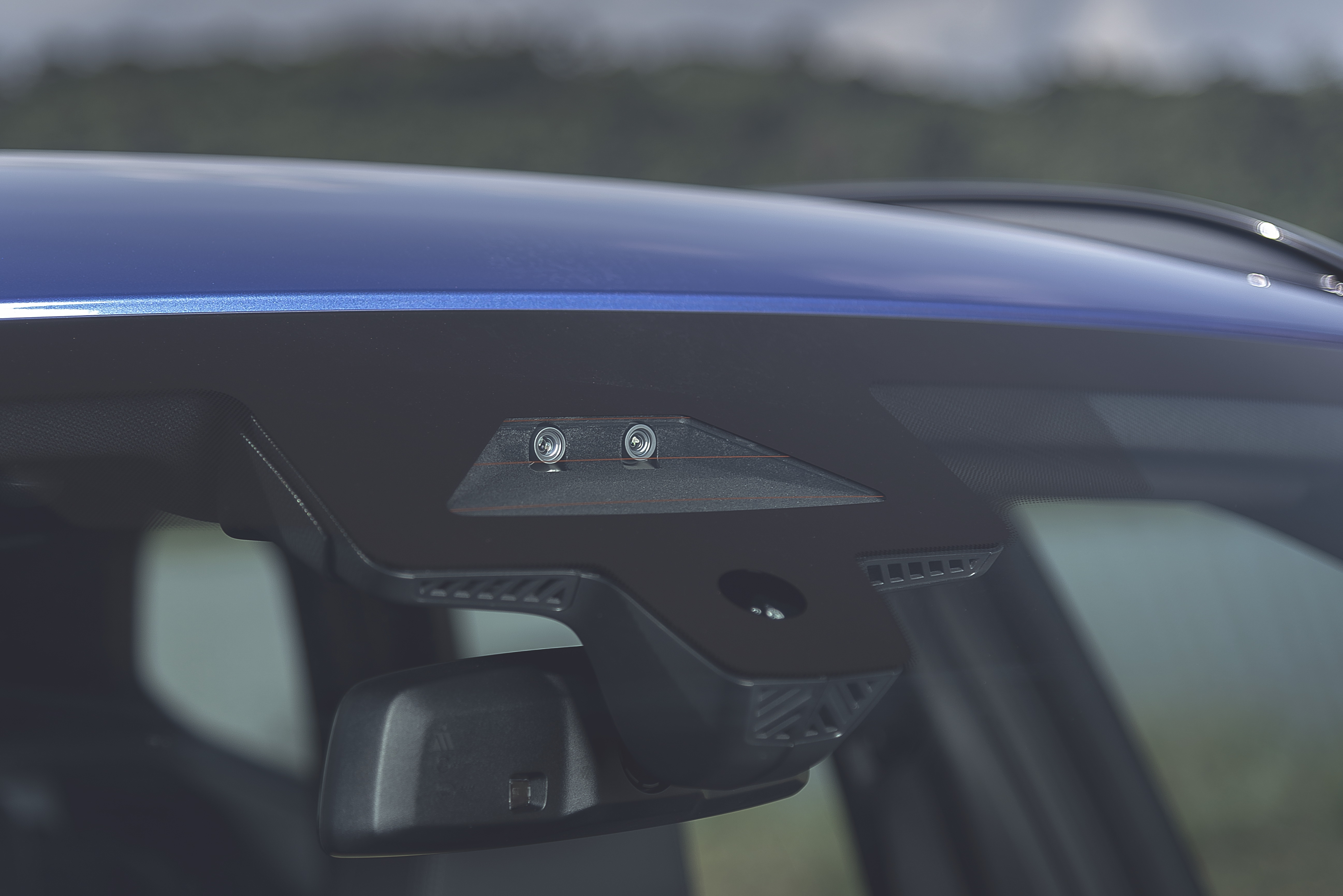
Modern autonomous vehicles are essentially data centers on wheels. A single self-driving car can generate upwards of 4 terabytes of data per day from its array of cameras, radar units, lidar sensors, and ultrasonic devices. This staggering volume of information must be transmitted reliably and in real time between sensors, processors, and actuators — all within a vehicle that demands low weight, minimal wiring, and absolute safety.
The connectivity backbone of these vehicles is arguably as critical as the AI algorithms processing the data. A dropped frame from a forward-facing camera at highway speed is not a minor inconvenience — it is a potential safety hazard. The industry needs a connectivity solution that combines high bandwidth, long reach, low latency, and automotive-grade reliability.
Read Article →